Start with destinations that need fewer changes
| Candidate | Why start here | The part to verify |
|---|---|---|
| Dundee waterfront | The rail station and both museums are in the same waterfront area | Exact street route, entrances, equipment acceptance and which areas of RRS Discovery your party can visit |
| Perth Museum | One city-centre attraction can support the whole trip | Rail-to-museum route, your Stone of Destiny session, and onsite facilities |
| Leith by tram | A short city-transit outing is easier to curtail | Actual boarding stops and whether the yacht route meets each person's needs |
Historic properties are not uniform. As a concrete example, the National Trust for Scotland says the Culross Palace interior is not accessible for wheelchair users, even though visitors may enjoy other parts of the village. Historic stairs, cobbles or hills may be material even for someone who does not use a wheelchair.
Our handpicked tours for this trip
Independent picks, curated by us for rating, reviews and what’s included. We source the best price; free cancellation on most.
 Top pick12.5 hours
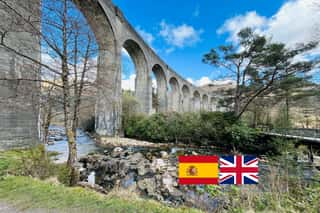 12 hours
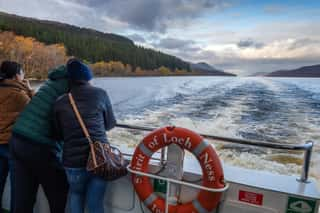 12.5 hours
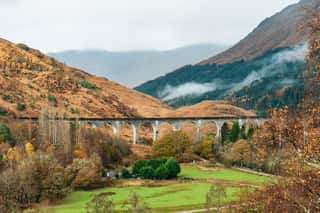
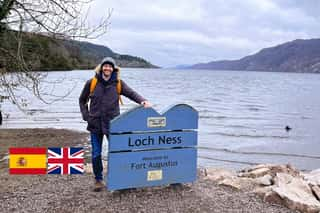 12.5 hours
Ask about a specific trip, not a generic label
With rail, use the station guide and Passenger Assist as appropriate, including where to meet assistance. Confirm return arrangements as well as departure. During engineering work ask about replacement vehicles and equipment before travel. For an organized tour, ask the actual operator whether boarding requires transferring into a standard seat, whether there is a ramp or lift, and whether your mobility aid fits given its dimensions and weight. Do not infer that a listing is step-free from an icon or from assistance at the attraction.
Set up a lower-effort alternate: a free museum wing rather than a second venue, a café near the station rather than a downhill walk followed by an uphill return, or a return service before the final possible connection. Access requirements are personal; use the contact and written guidance to choose a route that works for your needs.
First option: Verify station, vehicle and destination in order. Alternative: Consider a specifically confirmed guided vehicle for harder last-mile access.
- Different priority: Compare a wheelchair or walking aid constraint changes the route, not just its pace. Do not assume two similar-looking options have the same access.
- If the day changes: Choose an indoor accessible site or one simple rail leg.
Have the operator describe the route from parking or public transport through entry to the main experience. Ask about surface, steps, gradients, seating and toilets along that exact path. Phrases such as accessible parking or an accessible entrance address only one part of a visit. If a mobility aid is involved, use its actual dimensions and your preferred method of boarding when you ask.
First part of the day: Verify station, vehicle and destination in order.
The return route deserves the same check as arrival. An accessible vehicle in one direction does not confirm the last departure is suitable, and a lift listed on a general page may not be in service on the day. Have a separate destination that can meet the requirements rather than assembling a workaround at the last minute.
Keep planning
 PlanningBest day trips from Edinburgh: choose by time, transport and sceneryChoose Stirling for a castle with simple rail access, North Berwick for a flexible coastal half-day, or the Highlands for scenery worth a full day.
 PlanningDog-Friendly Day Trips From Edinburgh: Train, Beach and Estate RulesPlan a dog-friendly rail day with confirmed pet rules, simple walks and practical bad-weather alternatives.
 PlanningEdinburgh Day Trips With Kids: Age Limits, Short Routes and Rain BackupsPick a realistic outing from Edinburgh with toddlers or older children. Check minibus, boat and attraction rules before buying.
 PlanningHalf-Day Trips From Edinburgh: Choose a Realistic Four-to-Five-Hour OutingUse a one-stop itinerary to fit Newhailes, Leith or the East Lothian coast around an evening in Edinburgh.